Data-driven web design: success with analytics
l
Webdesign
Webentwicklung
Branding
Animation
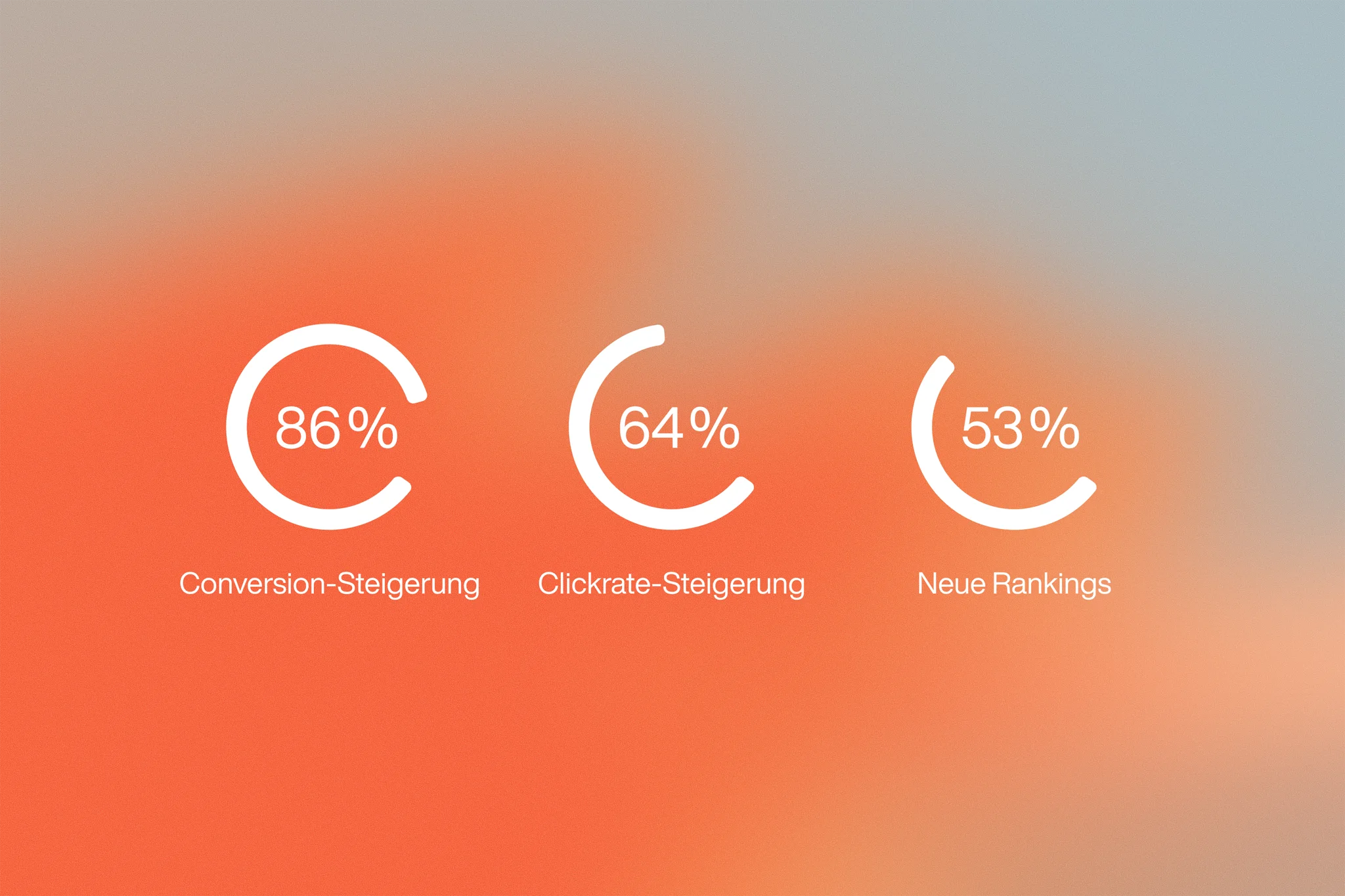
With Blue World Studio (BWS) We understand web design as more than just aesthetics — it is a data-driven process that enables companies to achieve measurable success. Only those who combine design with clear business figures, precise measurement and meaningful evaluation can create websites that not only look appealing, but also impress in terms of performance and conversion. Analytics, heat maps, and conversion tracking Provide valuable information and show which design decisions are effective. This creates a user experience that can be continuously optimized and measurably improved.
When relaunching, we always use websites SEO-optimized um. In addition, we offer customers the option of SEO potential analysis. This is optional, but opens strategic doors: It combines web design with in-depth SEO strategies and provides insights that strengthen design and content decisions based on data. Through our own SEO department, we think of design and visibility as 2-in-1 approach — A clear advantage over traditional web design agencies.
Why data is the basis for successful design
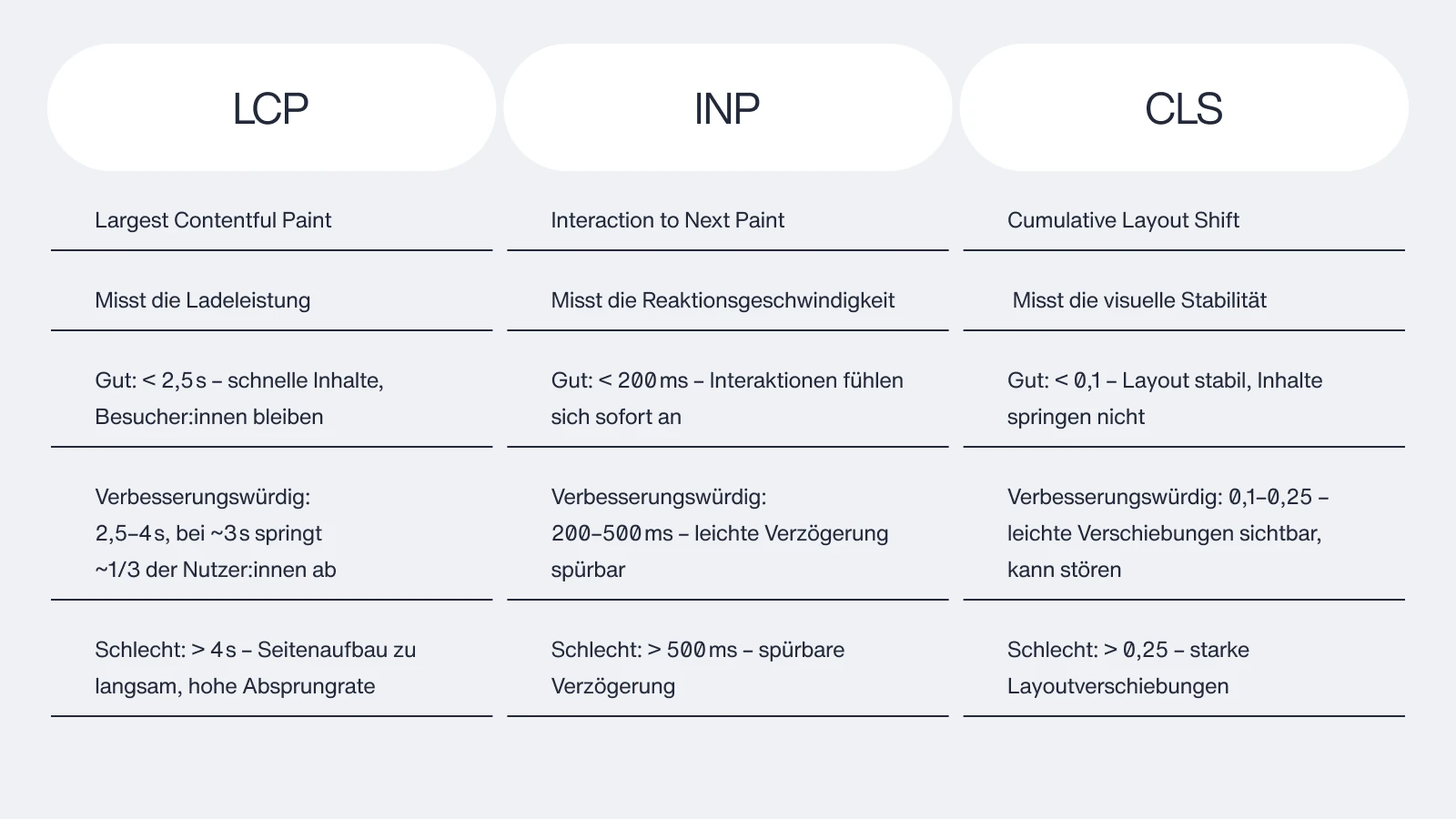
Design already follows targeted and precise principles. A data-based approach makes it even more effective in digital reality: Users expect fast loading times, clear structures and a customer journey without breaks. Core web vital signs (Core Web Vitals) such as load time, interactivity and layout stability decisively determine whether users stay on the website or jump off.
Design determines how users perceive content, performance, whether it stays. If the page load is delayed to 3 seconds, an average of a third of visitors jump off. For CMOs, this means that impact is created when design and performance are intertwined. This in turn has a direct impact on click rates, visibility, and ROI.
What we offer:
- Clear insights through data-based Customer journey analysis and visualization of user behavior.
- Higher conversion through targeted Conversion rate optimization Based on real metrics.
- Stable performance through monitoring of Core web vital signs and technical optimization.
Potential analyses as a strategic add-on — our BWS approach
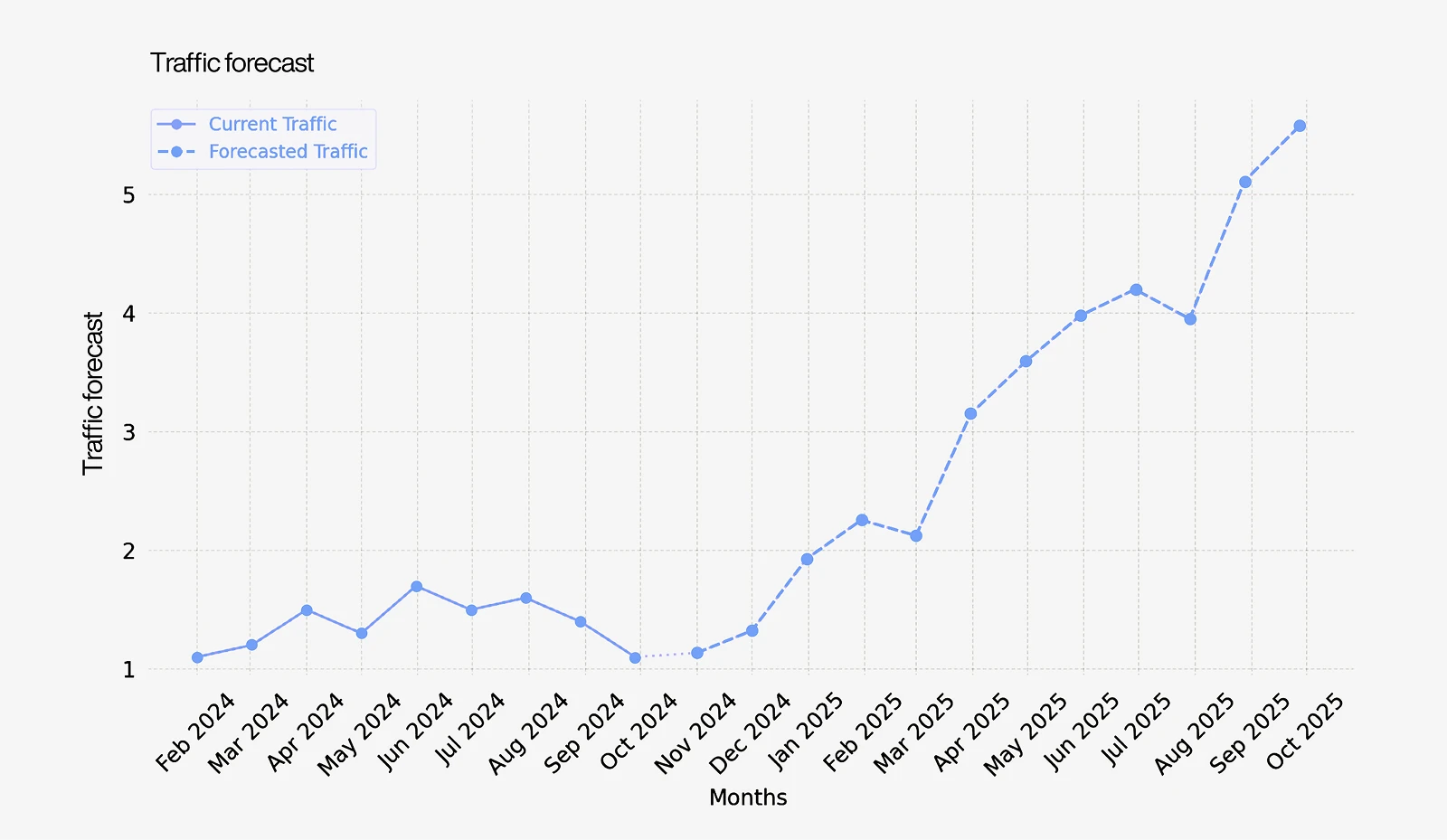
A website relaunch is not just a design project, but a strategic challenge. That's why we set websites by default SEO-optimized um. If you want to dive even deeper into your potential, we offer a SEO potential analysis Let it be carried out. This analysis shows where the biggest growth levers lie — from click rates to search volume to the competitive environment — and links these findings with design and UX decisions.
In other words, the potential analysis not only builds the website in an SEO-based way, but also provides a clear roadmap for content and performance. For CMOs, this means maximum transparency about opportunities and risks before the relaunch.
Practical example:
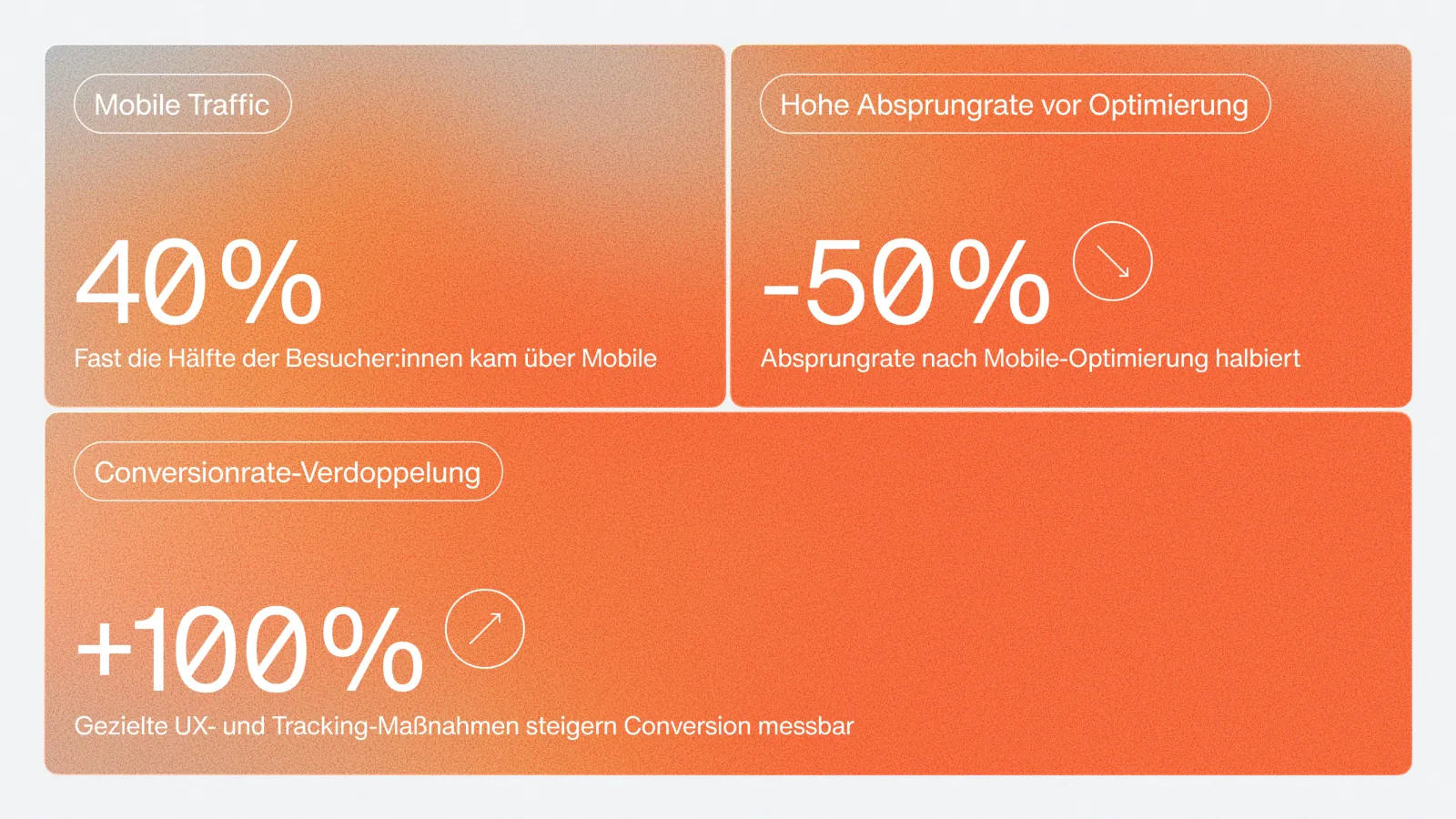
A customer was planning a relaunch without an SEO strategy. Our potential analysis showed that 40% of traffic came from mobile, but the mobile UX caused high cancellation rates. Through data-driven web design, Mobile analytics And conversion tracking, we were able to halve the bounce rate and double the conversions.
Our advantages:
- Relaunch always SEO-optimized, integrated as standard.
- Optionally: SEO potential analysis for deeper insights and data-driven content strategies.
- Everything in-house — from design to SEO, 2-in-1.
Analytics tools as a basis for data-based decisions
Data-driven web design depends on the right choice of tools and a clear interpretation of the results. Tools alone are not enough — translating them into recommendations for action is crucial.
Key tools:
- Google Tag Manager For server-side tracking and precise conversion events using Javascript Code.
- Adobe Analytics and KPI dashboards for in-depth performance analysis, visualization and reporting at CMO level.
- Heatmaps and click analysesto visualize user flows and check the effectiveness of buttons, CTAs, or forms.
- Conversion tracking Across the entire customer journey to identify breakpoints and derive optimization opportunities.
The result: a KPI dashboard that links design decisions directly to business goals. In this way, CMOs not only see how a website is performing, but also which design and content measures deliver the greatest ROI.
Test, learn, scale: iterative design as a success factor
A website is not a static project, but a dynamic system. That is why we rely on continuous testing and optimization. A/B testing, click-rate analytics, and Customer journey analytics Provide reliable data on which design variants perform better.
This brings added value for marketing teams:
- Higher conversion rate through data-driven optimization and clearly defined resource deployments.
- Better scalability through iterative processes that respond to market and user behavior.
- Transparency through measurable KPIs in real time — from click rate to final conversion.
Data-driven web design is therefore a continuous cycle of measurement, analysis, testing and optimization — a process that makes digital presentations ever more powerful.
Competitive advantage through design that delivers business results
Companies that rely on data-driven web design create brand identities that have a strategic and measurable effect. It is not the most beautiful but the most powerful design that wins. With clear KPIs, conversion tracking and Server-side tracking We ensure data quality and sustainability — regardless of cookie restrictions.
BWS approach: Creativity meets numbers. Design decisions are not based on good feeling, but on reliable data. Everything is 100% in-house, with short distances and clear results.
Conclusion
Good web design is optimized, targeted and “resilient” through data. Who design with Analytics Connects and builds websites in an SEO-optimized way right from the start, creates digital presences that meet business KPIs: more visibility, higher click rates, better conversion.
For CMOs and marketing decision makers, this means: Data-driven web design Is not a trend, but the basis for sustainable growth and brand management. It combines creativity with measurable results, creates clarity about the customer journey and makes the digital presence a real business driver.
And: Who also has the option of SEO potential analysis Uses, unlocks strategic opportunities that go far beyond design — from content strategy to market shares to long-term brand positioning.
This creates websites that measurably increase leads, revenue and growth — creatively, strategically and based on data. It's now or never. Let's talk.
FAQ
What is data-driven web design?
It combines design with data from analytics, heat maps, and conversion tracking to align design decisions with business KPIs.
Why is an SEO potential analysis useful?
It is not a must, but it is a strategic add-on: It shows which keywords, pages and content have the greatest potential — and combines design with an in-depth SEO strategy.
What is the role of core web vital signs?
They measure load time, interactivity, and stability. Bad scores result in ranking losses and lower conversion.
Which tools are suitable for data-driven web design?
Google Tag Manager, Adobe Analytics, KPI dashboards, heat maps, and server-side tracking are key tools.
How does data-driven web design increase success?
It optimizes the customer journey, increases the number of clicks and ensures better conversion rate optimization — measurable and sustainable.