Digital for Everyone: Why Accessibility Is the Strongest Brand Promise of the Future
l
Webdesign
Webentwicklung
Branding
Animation
Digital accessibility is no longer a technical extra, but a strategic brand promise. Accessible websites not only create access for all users, but also strengthen brand image, trust and ESG strategies. In this article, we look at the connection between accessibility, brand positioning and sustainable digitization and explain why barrier-free digital presences are a real competitive advantage today. CMOs learn how to strategically anchor accessibility as part of their brand experience and thus increase visibility, credibility, and conversions.
Accessibility is a brand strategy, not just technology
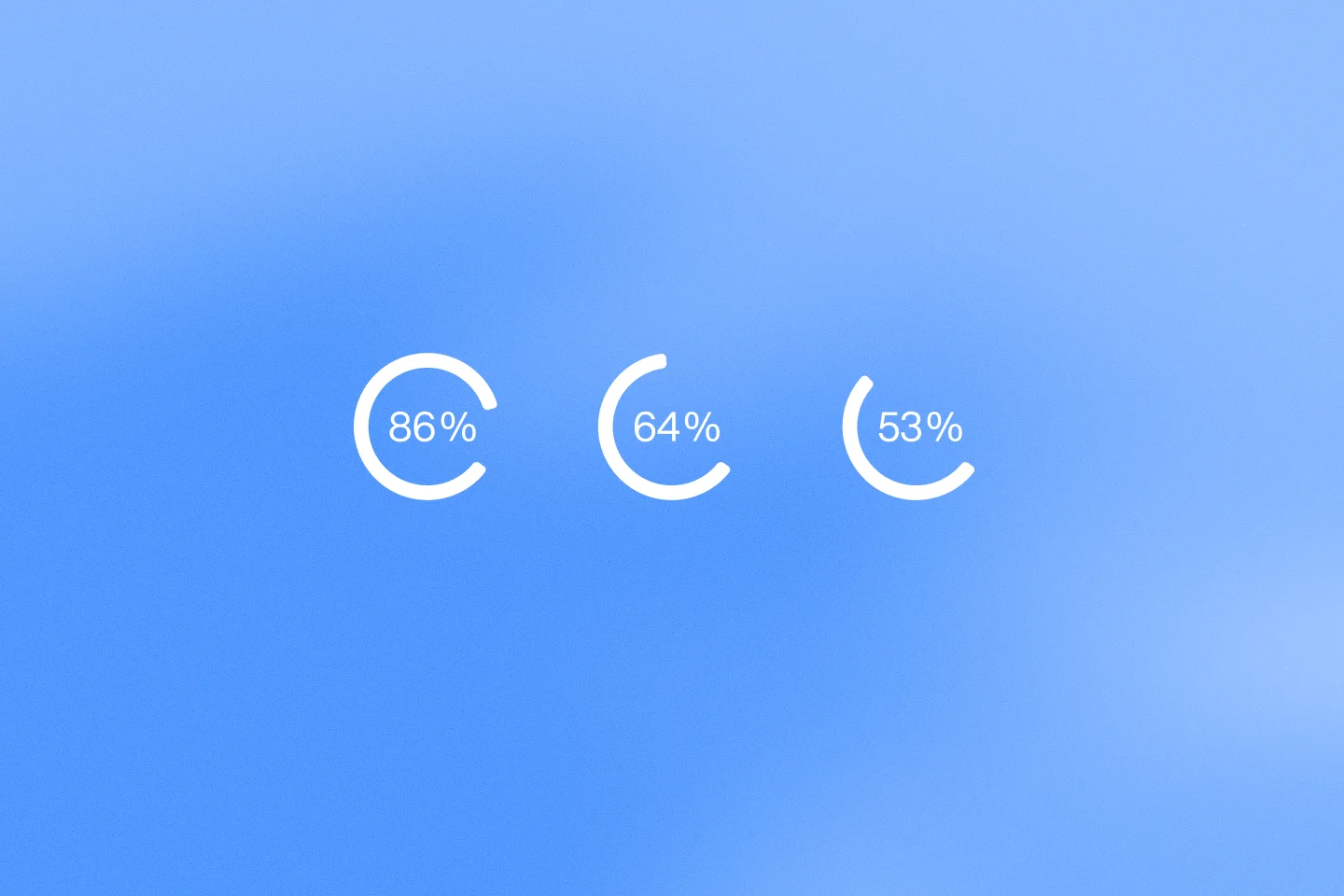
One barrier-free website is more than just a checkmark on the to-do list. It is part of the brand identity and a clear signal for inclusion. Studies show that 88% of users don't return after a poor user experience. A lack of digital participation not only means missed customers, but also damages brand trust in the long term.
What you get:
- Stronger brand loyalty through inclusive communication.
- Visibility and access to over 10 million people with disabilities in Germany.
- ESG points through lived digital accessibility as part of sustainable digitization.
Standards, Laws, and Why They Affect CMOs Now
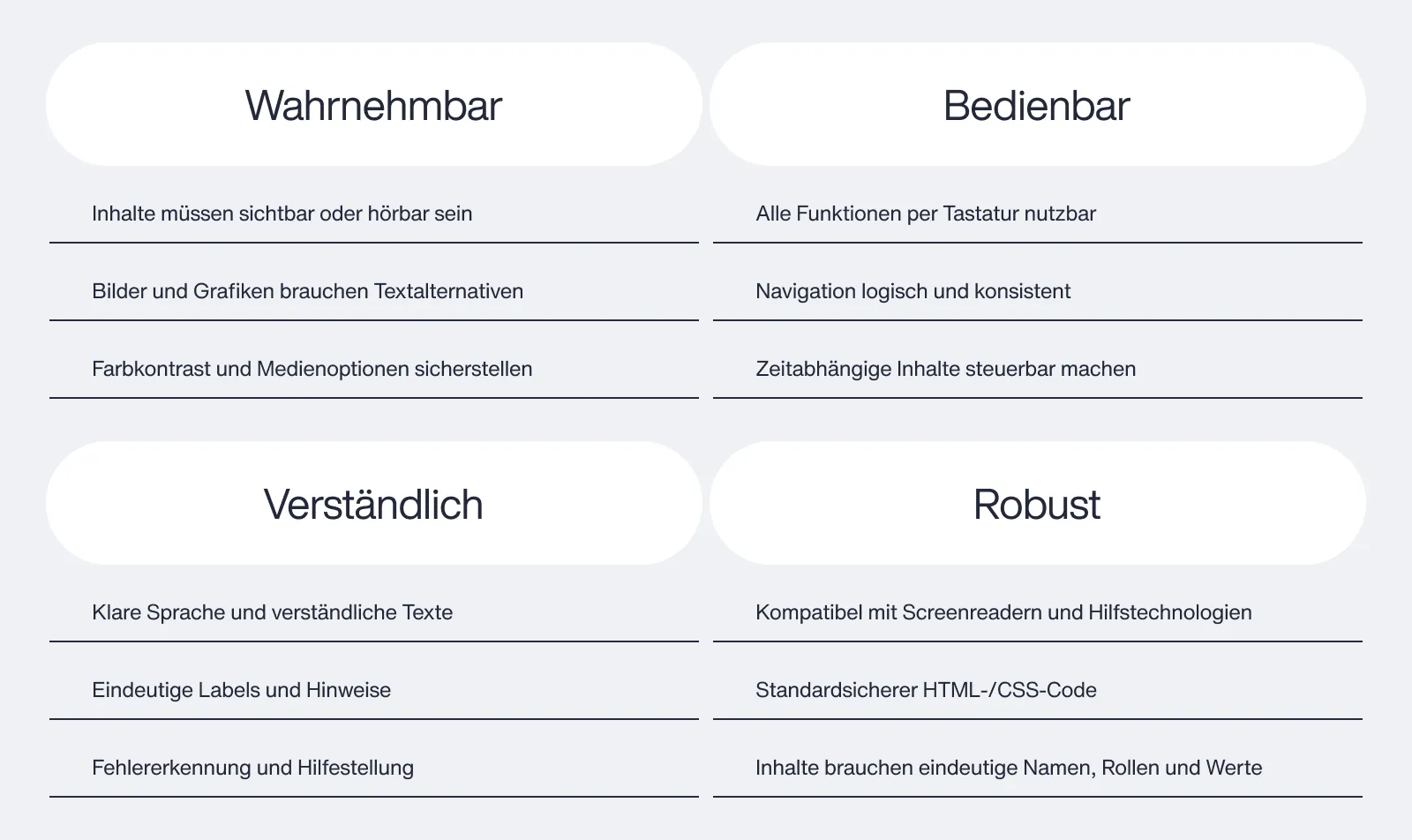
With the Accessibility Strengthening Act (BFSG), which will apply from 2025, pressure is increasing: Websites, web offerings, online shops, apps and digital services must be designed to be barrier-free. The basis is the guidelines for barrier-free web content (WCAG 2.1 and WCAG 2.2) as well as in Germany the BITV 2.0 and the European standard EN 301 549. These regulations implement the European Accessibility Act and create a binding framework for Accessibility on the Internet.
For CMOs, this means: Accessible web design becomes not only a legal requirement, but a high-level element of the brand experience. Anyone who invests here now not only avoids risks, but also gains market shares and positions the brand as responsible and future-oriented.
High-level focus:
- WCAG standards define clear test criteria for content, navigation, contrasts and usability.
- BITV 2.0 is the German adaptation — a benchmark for companies too.
- Assistive technologies such as screen readers, voice controls and Braille displays can only be used if websites are designed to be technically barrier-free.
Practical: ARIA labels and alt texts as a conversion factor
Accessible web design starts in detail. ARIA labels (Accessible Rich Internet Applications), also known as aria labels, give screen readers additional information. In this way, buttons, form elements and navigations can be understood even without visual orientation.
example:
A button with only one icon (e.g. magnifying glass) is not readable by screen readers. It becomes accessible with aria-label="Start search”.
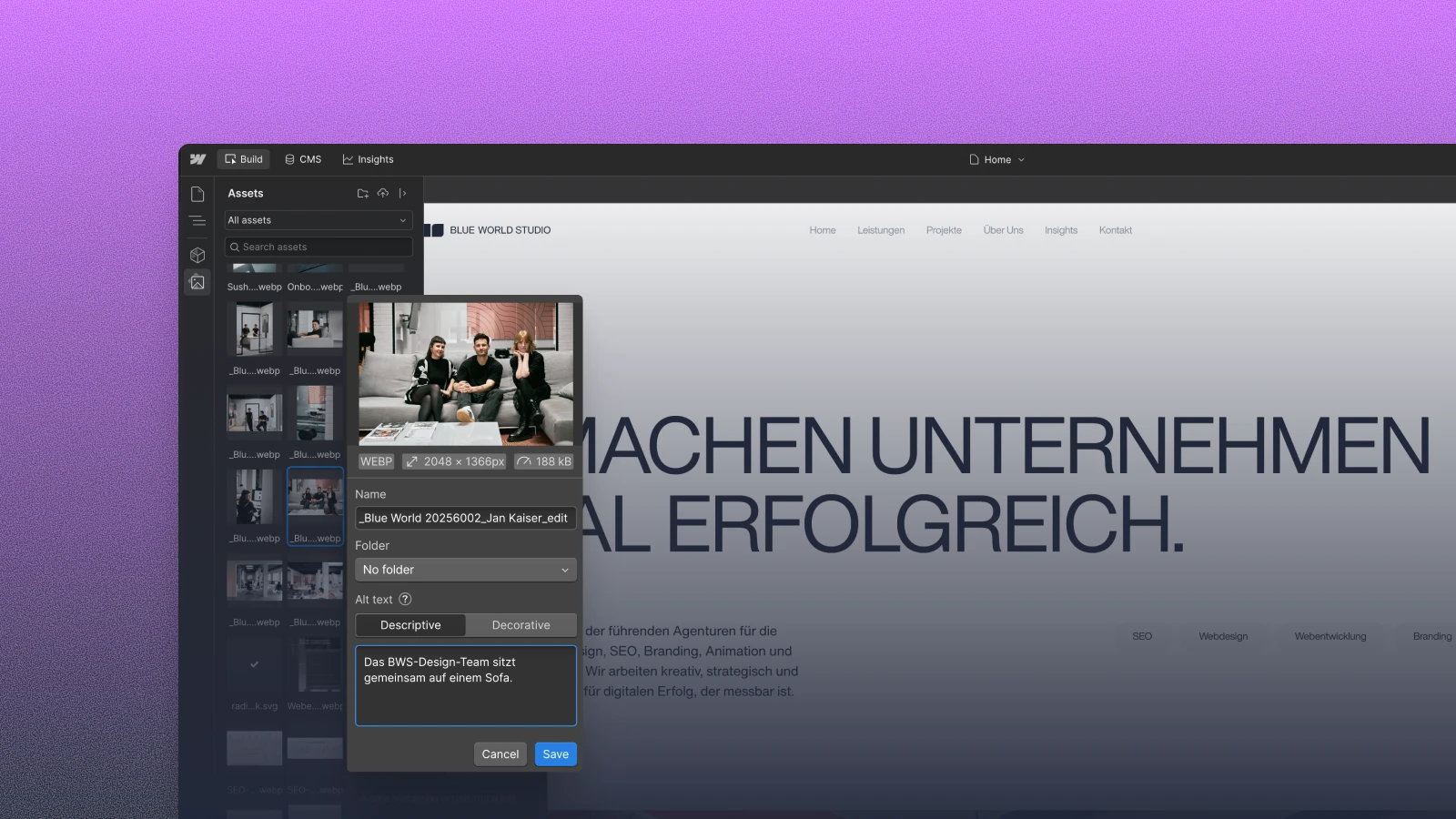
Equally central are Alt texts for images. They describe the image content so that screen readers can interpret content. At the same time, alt texts increase visibility in search engines, as Google better understands semantic relevance. Companies are thus bridging the gap between digital accessibility and SEO performance.
Benefits for CMOs:
- Better user experience through clearly understandable interactions.
- More reach via organic search.
- Higher conversion rate due to reduced cancellation rates.
Universal design: Accessibility as a driver of innovation
Accessibility on the Internet Does not mean restricting design freedom. On the contrary: Universal design creates digital experiences that work for all users. Clear navigations, legitimate typography, contrasting color worlds — these are factors that even people without restrictions appreciate.
Strategic derivation:
- Accessible web design increases brand perception as inclusive and innovative.
- Simple structures speed up purchasing decisions.
- Sustainable digitization is becoming visible in concrete terms through digital participation.
Competitive advantage: Accessibility as business-critical
CMOs that use accessibility strategically set an example: for brand trust, ESG strategies and measurable performance. One Accessibility audit This is the first step. It uncovers technical and content barriers and provides a roadmap for a future-proof brand experience.
BWS approach: Everything in-house. Creative, strategic, data-based. From conception to barrier-free web design Up to technical implementation — 100% in-house.
Conclusion
Digital accessibility Is much more than a legal obligation. It is an investment in a brand that is credible, sustainable and inclusive. Anyone who combines accessibility with brand image and ESG strategies creates a high-level competitive argument: trust, visibility and better conversion rates.
For CMOs, this means that anyone who now integrates accessibility into the brand experience is laying the basis for digital participation and sustainable digitization. This creates websites that not only comply with the law, but above all have a brand-strengthening effect. It's now or never. Let's talk.
FAQ
What does digital accessibility mean in practice?
Digital accessibility means that websites, apps and Internet offerings are accessible to all people — regardless of restrictions or devices used.
What role does the Accessibility Strengthening Act play?
From 2025, the BFSG will oblige many digital services to be barrier-free. Those who act early have competitive advantages and meet the requirements of the European Accessibility Act.
What are ARIA labels or aria labels?
ARIA labels are technical attributes that provide screen readers with additional information. They make interactions such as buttons or forms understandable and improve the use of barrier-free web content.
Why are alt texts important for images?
Alt texts ensure accessibility, improve SEO and increase conversions through better user experience.
How does an accessibility check work?
It checks content, code, design and interactions in accordance with WCAG 2.1, BITV 2.0 and EN 301 549 standards and provides specific tips for the barrier-free design of web offerings.